
Fertilizer and Pesticide Packaging in Iran
The Role of Packaging in the Agricultural Industry
Packaging plays a key role in agriculture by preserving the quality and extending the shelf life of agricultural products. From farm to table, packaging is a vital link that ensures fresh produce reaches consumers in good condition. In this article we cover the concept of agricultural packaging, its importance, types and stages, its history worldwide and in Iran, and its role in different sectors of the agricultural industry.
Agricultural Packaging
Agricultural packaging is the process of carefully packing and protecting agricultural products for storage, transport and sale. It is essential for keeping fruits, vegetables, grains and other products fresh and of good quality from the farm to the market.
The main goals of agricultural packaging are to protect products from physical damage during handling, prevent contamination by external factors such as moisture or pests, extend shelf life through proper storage methods, and make the product more attractive to consumers.
Effective agricultural packaging not only keeps the product safe but also supports marketing by giving consumers useful information about the product's origin, nutritional value, handling instructions and more. By using packaging suited to specific products and market needs, farmers can significantly improve their competitiveness.
The Concept of Packaging
In agriculture, packaging plays an important role in preserving and protecting products from farm to table. The concept of agricultural packaging refers to packing products for storage, transport and sale.
The importance of packaging lies in its ability to extend the shelf life of perishable items such as fruits and vegetables by protecting them from moisture, light and physical damage. Good packaging can also increase a product's visibility on the shelf, attract consumers with appealing design, and provide useful information about the contents.
Proper packaging helps reduce food waste and makes farmers more competitive in the market by ensuring products reach consumers in optimal condition while meeting quality standards along the supply chain. In short, effective agricultural packaging is more than a container: it is a vital link between producers and consumers in delivering fresh, safe and high-quality products.
What Is Packaging?
Packaging in the agricultural industry plays an important role in ensuring product quality and safety from farm to table. It is not only about wrapping goods; it is a complete process of protecting, preserving, storing and presenting agricultural products for distribution and consumption.
Essentially, packaging is the science, art and technology of enclosing or protecting products for storage, distribution, sale and use. It includes materials such as boxes, bags, containers, labels and wraps designed to protect perishable goods from external factors such as moisture loss or contamination during transport.
The primary purpose of agricultural packaging is to keep the product intact by preventing physical damage or deterioration. It also communicates with consumers through labeling, which provides essential information about the origin of the contents, their nutritional value and expiry date.
Finally, attractive packaging design catches customers' attention and acts as a silent salesperson in retail stores.
The main functions of packaging in agriculture include protecting products from physical damage, contamination and spoilage during handling, transport and storage. Packaging also provides consumers with important information such as product details, expiry date and nutrition facts.
Another key goal of agricultural packaging is to improve marketability by making products more appealing to consumers. Effective packaging can set products apart from competitors on store shelves and build brand recognition. Proper packaging also helps reduce food waste by keeping products fresh and preventing damage during distribution.
Understanding the responsibilities and goals of agricultural packaging is therefore essential for farmers, producers and retailers alike, so that their products reach consumers in optimal condition while meeting regulatory requirements.
In the agricultural industry, packaging plays an important role in preserving quality and extending the shelf life of different products. Various packaging methods are used in agriculture to meet the specific needs of different goods.
One common type is primary packaging, which directly encloses the product. This can include bags, cartons, bottles or cans that are in direct contact with the product. Another type is secondary packaging, which groups primary packages together for transport and display.
Tertiary packaging focuses on efficient bulk transport and distribution. It includes pallets, stretch wrap and containers designed for easy handling and storage of large quantities of agricultural goods.
Each type of packaging has a specific purpose in keeping the product intact throughout the supply chain while meeting consumer demand for quality and convenience.
Packaging Stages and Criteria
Packaging in the agricultural industry involves several stages and criteria that are essential for product quality and safety. The process usually starts with choosing suitable packaging materials based on the type of product. These materials must protect against external factors such as moisture, light and physical damage.
The next stage is designing the packaging structure to meet specific requirements such as durability, ease of transport and longer shelf life. This stage also includes determining the optimal size and shape of the package to maximize efficiency in storage and distribution.
Quality control plays an important role throughout the packaging process to ensure that all products meet regulatory standards and consumer expectations. Checking for defects, correct labeling and accurate weighing are key criteria for quality assurance in agricultural packaging.
Efficient handling practices are also vital to prevent contamination or spoilage during packaging operations, and proper hygiene procedures must be followed throughout the process. In addition, sustainability is increasingly important in modern agriculture, through the use of environmentally friendly materials and minimizing packaging waste.
History of Packaging Worldwide and in Iran
Packaging has played an important role in the history of agriculture, both globally and in Iran. Over the centuries, civilizations have used different methods to preserve and transport agricultural goods. In ancient times, materials such as leaves, animal skins and clay pots were used for packaging.
As societies evolved, packaging techniques advanced as well. The Industrial Revolution brought a major change with mass production and new materials such as glass and metal containers, transforming how agricultural products were packed and distributed worldwide.
In Iran, traditional methods of packaging agricultural products have deep historical roots. From intricately woven baskets to handmade clay pots, Iranian culture reflects a rich variety of packaging techniques passed down through generations. Today, modern technologies have increased the efficiency and sustainability of agricultural packaging in Iran.
The evolution of packaging in global and Iranian agriculture reflects a continuous effort to improve and innovate in response to an ever-changing market.
Packaging in Different Sectors of the Agricultural Industry
Packaging plays a very important role in preserving quality and shelf life across different sectors of the agricultural industry. In fast food and restaurants, packaging ensures meals are delivered to customers fresh and presentable, and it helps maintain food hygiene standards by preventing contamination during transport.
In the food and pharmaceutical industries, proper packaging is essential for product safety and compliance with health regulations. Packaging materials must be chosen carefully to preserve freshness, prevent spoilage and extend shelf life.
Different agricultural products need packaging solutions suited to their characteristics. For example, perishable fruits and vegetables may need breathable packaging to prevent moisture build-up, while grains or seeds may need sealed containers to protect them from pests.
The importance of printing on agricultural packaging cannot be overlooked. Labels provide vital product information such as origin, expiry date, nutrition facts and usage instructions, helping consumers make informed decisions while strengthening brand recognition for producers. To order labels, you can contact Idehsazan Mobtaker (Idehpack).
New Fertilizer and Pesticide Packaging in Paper Cans
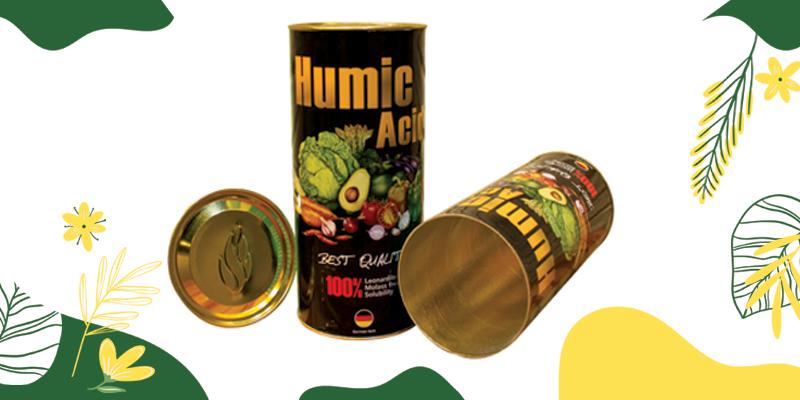
With the variety of packaging available in the Iranian market, producers of fertilizers, pesticides, iron powder, humic acid and seaweed products have been looking for new, high-quality packaging. Paper cans have been well received by producers for these new packaging needs.
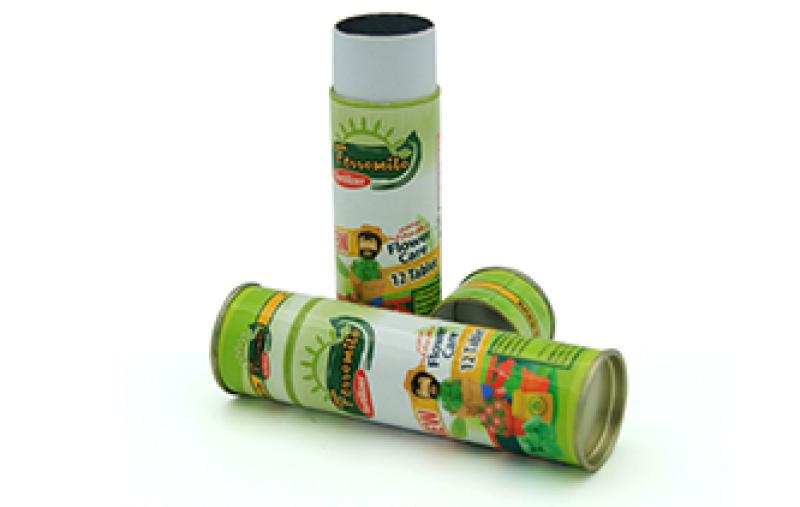
At Idehpack, powdered agricultural fertilizer is packed in cylindrical paper cans. Completed projects include a single-tube can with a metal press-fit lid and an easy-open can.
| Model | Diameter | Lid | Completed sample |
|---|---|---|---|
| Single-tube paper can with metal press-fit lid | 99 mm | Metal press-fit | NPK fertilizer can |
| Easy-open paper can | 83 mm | Easy-open | Fertilizer can with easy-open lid |
- Inner lining: white
- Minimum order: 1,000 cans
- Easy-open cans are closed with a seaming machine, and Idehpack also manufactures this machine.
- Idehpack is based in Tehran and ships across Iran and the Middle East.
To see all models: Agricultural fertilizer packaging with paper cans
Which can is suitable for powdered fertilizer?
A single-tube paper can with a metal press-fit lid, or an easy-open can.
What is the minimum order for fertilizer cans?
1,000 cans.
To order paper cans, contact our head office in Tehran (+98 21 66930193, +98 21 66930194) or message us on Eitaa, WhatsApp, Telegram or Bale at +98 901 176 2443.
ثبت دیدگاه